

Table of Contents

HouseCanary
Know what any property is really worth.
AVMs with a 2.7% median error, plus the comps and forecasts agents and investors rely on.
Explore PlansReal estate investment returns are built over time, well beyond the closing table. As market conditions shift and neighborhoods evolve, investors who actively manage these factors can strengthen performance. But a clear strategy can turn these changing conditions into opportunities to maximize investment potential.
Actively tracking performance, reassessing risk, and adjusting strategy over time can help you gain greater control over outcomes. Real estate asset management gives you the visibility to identify underperforming properties early, act on data instead of instinct, and better evaluate investment potential.
Let’s cover the core responsibilities of an asset manager, strategies for maximizing returns, and the tools investors use to manage assets more effectively.
Disclaimer
This article is for informational purposes only and does not constitute investment, legal, or tax advice. Real estate investing involves risk, and results vary by market and property.
Key Takeaways
- Key responsibilities guide portfolio success: Real estate asset managers oversee performance analysis, portfolio strategy, operational coordination, and value enhancement to maximize returns and reduce risk.
- Strategic oversight drives stronger returns: Active asset management for real estate allows investors to anticipate market shifts.
- HouseCanary delivers data-backed insights: With integrated valuations and forecasts, HouseCanary stands out as a top investment strategy tool.
What is Asset Management in Real Estate?
Real estate asset management is the strategic oversight of an investment property (or portfolio) to maximize returns while reducing risk. It differs from property management, which focuses on day-to-day operations and tenant relations.
Asset management takes a broader, more financial approach. The main aspects include:
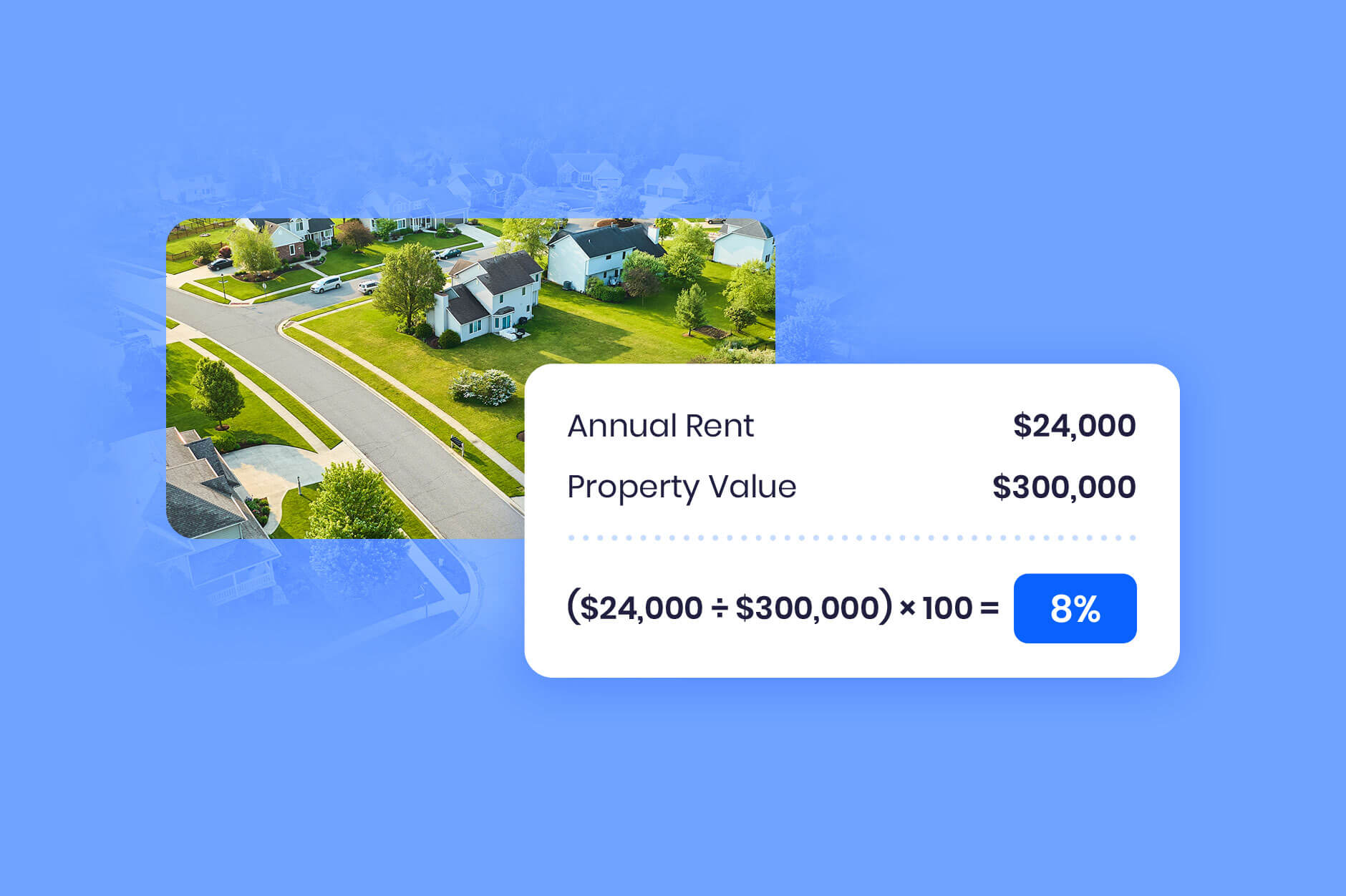
- Cash flow optimization: Tracking income, expenses, and metrics like rental yield to evaluate and improve financial performance.
- Risk mitigation: Identifying and managing market, financial, and operational risks before they negatively impact returns.
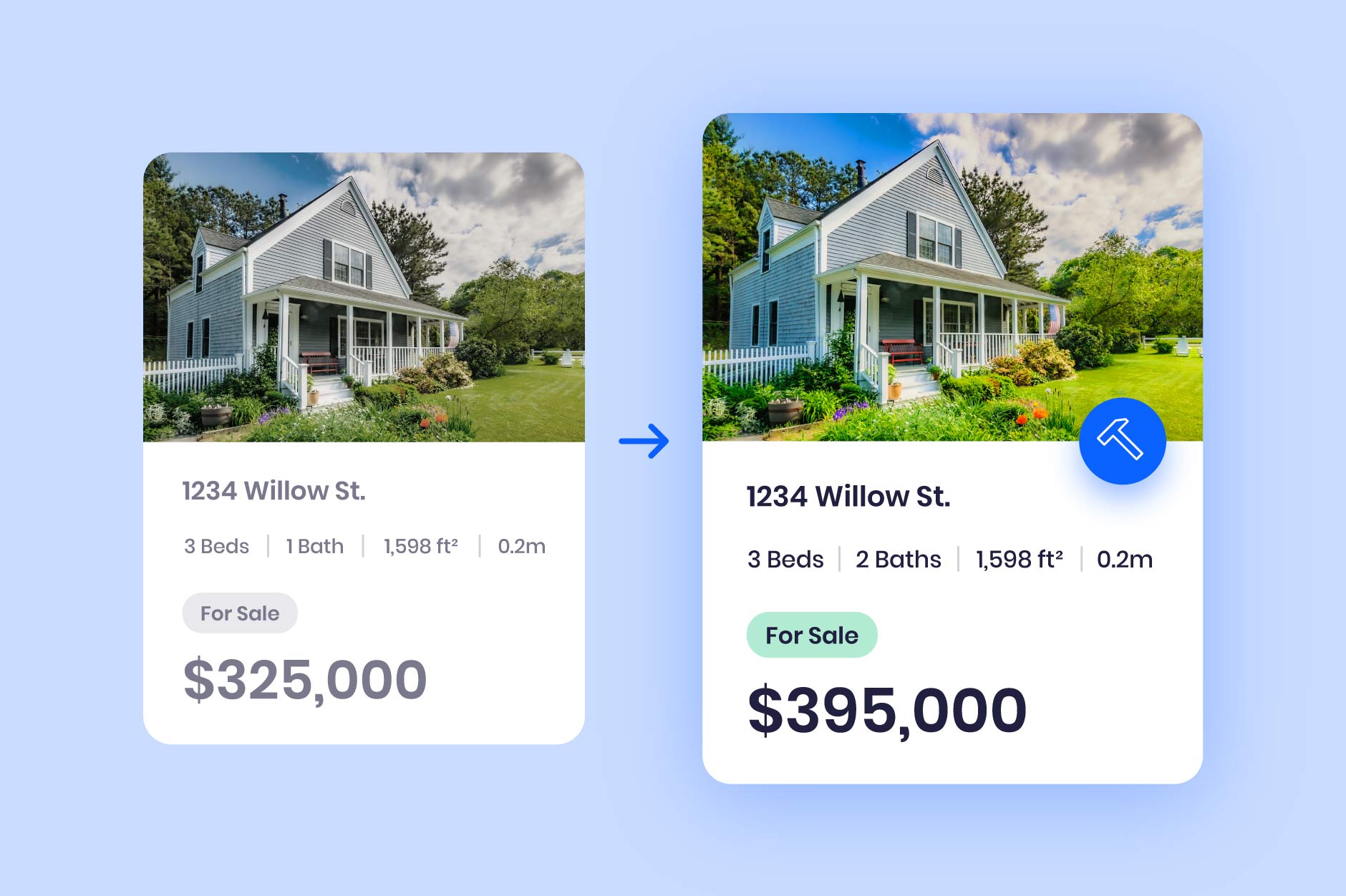
- Value growth: Implementing strategies to enhance property value over time, from capital improvements to strategic repositioning.
Asset managers oversee properties with an eye on financial performance. Their main role is to adjust strategies to protect and grow investor returns over time.
Key Responsibilities of a Real Estate Asset Manager
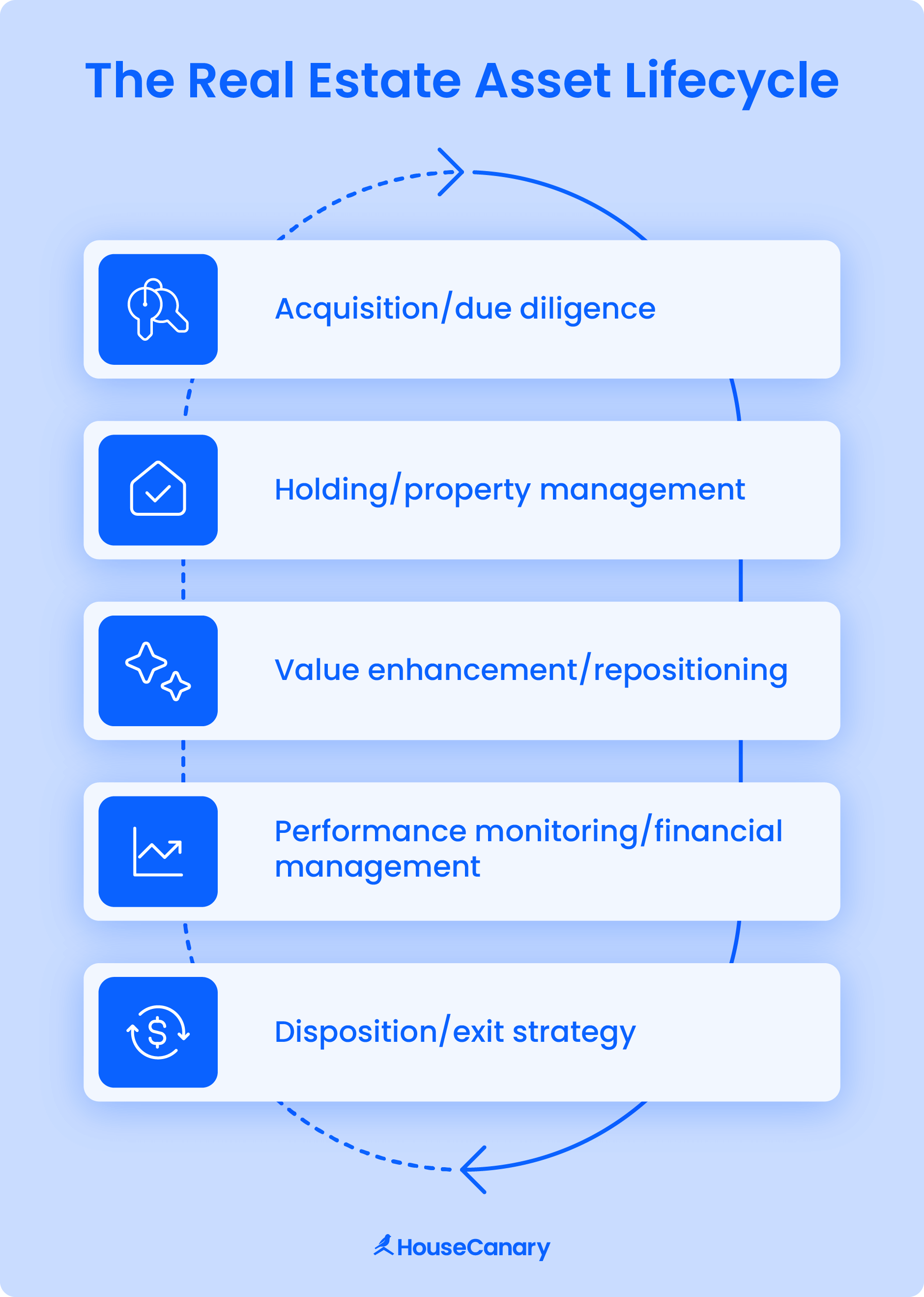
A real estate asset manager works to actively shape the performance and direction of an investment. Their responsibilities span the entire lifecycle of a property, from acquisition to disposition, with a focus on maximizing returns and managing risk.
Key real estate asset manager tasks:
- Performance analysis and reporting: Reviewing financial and operational data to identify trends, uncover underperforming assets, and inform strategic decisions.
- Portfolio strategy and optimization: Advising on acquisitions, dispositions, and capital allocation to align the portfolio with long-term investor goals.
- Operational coordination: Overseeing property managers, vendors, and service providers to ensure operational efficiency without micromanaging daily tasks.
- Market and risk assessment: Monitoring local market conditions, regulatory changes, and tenant trends to anticipate challenges and seize opportunities.
- Value enhancement initiatives: Recommending or implementing improvements, repositioning, or renovations that have the potential to increase property value and investor returns.
Strong asset management techniques need detailed property analytics and data. Tools like HouseCanary equip you with detailed property-level analytics, real-time market trends, and AI-powered forecast data to support strategies.
Strategies for Maximizing Investor Returns
Maximizing investment returns requires more than acquiring the right properties. Here are six key strategies you can use to maximize portfolio performance:
- Portfolio diversification: Spread investments across different property types and markets to reduce risk and improve stability.
- Value-add investments: Identify opportunities to increase property value through renovations or repositioning.
- Revenue optimization: Focus on maximizing income through rent adjustments, creating ancillary income streams, and improving occupancy management.
- Expense management: Keep operational costs in check with efficient processes, vendor negotiations, and careful budgeting.
- Data-driven decision making: Leverage market analytics and predictive AI tools to inform acquisitions and pricing strategies.
- Proactive tenant management: Retaining reliable, long-term tenants reduces turnover costs and vacancy periods.
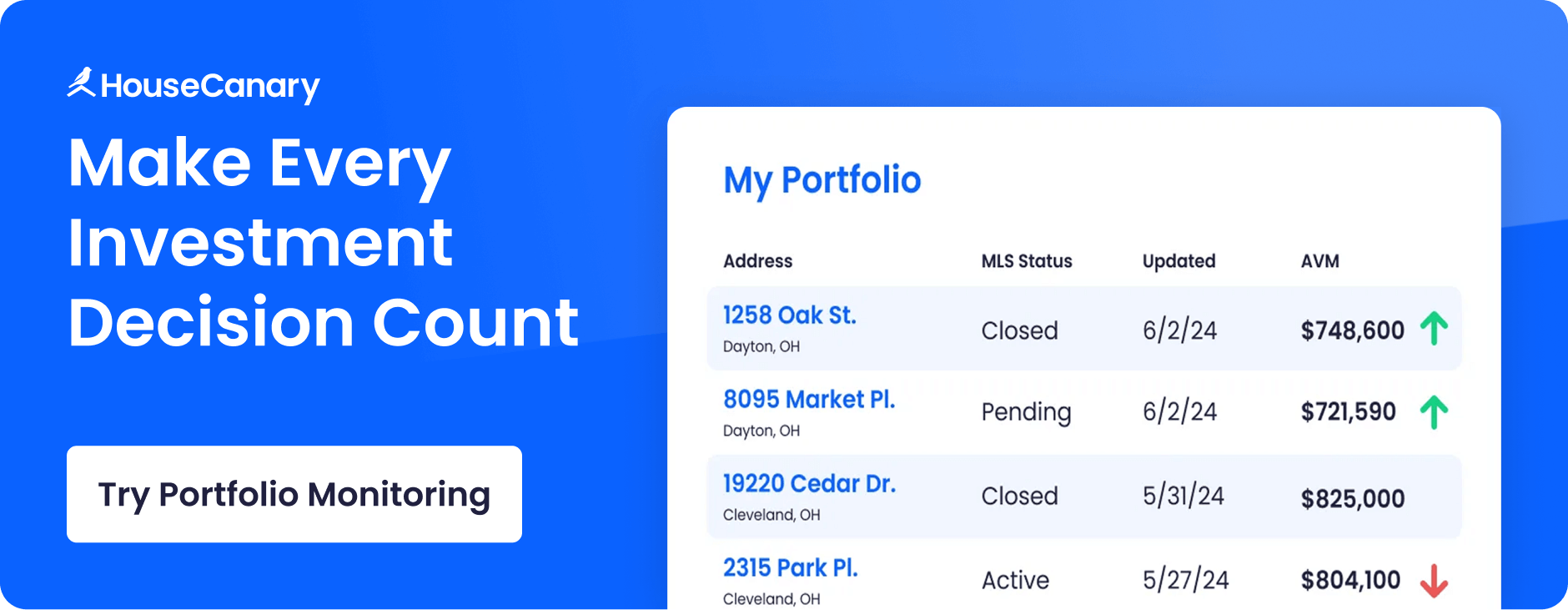
HouseCanary takes these strategies further by providing comprehensive property insights, including rental valuations, sales comps, forecasts, and risk metrics. It also delivers real-time alerts on key indicators like automated valuation model (AVM) value, helping you make data-backed decisions.
Technology for Smarter Asset Management
Real estate asset management can be complex, but investment software helps you track properties and analyze overall performance. Tools range from portfolio management platforms that organize properties and leases to financial analysis software that tests different investment scenarios.
Data and market analytics reveal trends, property values, and neighborhood dynamics, while operational tools simplify maintenance and tenant communication. With so many options available, several platforms stand out for helping investors maximize efficiency and returns.
The Best Real Estate Asset Management Software
Real estate asset management software brings key data together in one place, helping you monitor assets and adjust strategy as conditions change. Here are several powerful platforms investors use to manage and optimize their portfolios:
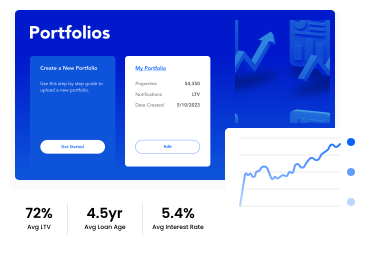
HouseCanary stands out for combining property valuations, rental estimates, market forecasts, and portfolio monitoring in one platform. In-platform tools like Acquisition Explorer help investors quickly identify high-potential properties while keeping an eye on portfolio performance.
“Our goal at HouseCanary is to put the real‑time insights and analytics investors need at their fingertips so they can answer tough real estate questions quickly and confidently.”
–Ketan Bhalla, President and Chief Product Officer at HouseCanary
Put Asset Management Strategies into Action with HouseCanary
Real estate asset management solutions go beyond tracking numbers. It is what you do with the data that creates stronger performance and long-term upside.
HouseCanary provides a bird’s-eye view of your properties and portfolio. It delivers forward-looking insights on market trends and neighborhood dynamics to guide smarter investment decisions.
Get started with HouseCanary today to see the difference data makes in your next investment decision.
Frequently Asked Questions
What is the Difference Between Property Management and Asset Management?
Property management focuses on day-to-day operations like maintenance, leasing, and tenant relations. Asset management goes beyond daily operations to steer the financial success and future growth of a property or portfolio.
What is the Real Estate 7% Rule?
The 7% rule is a guideline investors use to evaluate rental properties. It suggests that a property’s annual rental income should be roughly 7% of its purchase price to cover expenses and generate a reasonable return.
What Results Can Investors Expect from Active Real Estate Asset Management?
Active asset management can help investors maximize cash flow, reduce risk, identify underperforming properties early, and make informed decisions that improve portfolio performance over time.